
BODY-CONTOURING SURGERY
Abdominoplasty
A contour that feels like you again.
After pregnancy or significant weight loss, excess skin may remain. An individually planned abdominoplasty can create a smoother, more balanced abdominal contour.

- Stay
- Usually 2–3 nights
- Anaesthesia
- General anaesthesia
- Operating time
- Approx. 2–4 hours
- Compression
- 6–8 weeks
When your abdomen no longer feels like you
Perhaps you have long since reached a stable weight after pregnancy or weight loss, yet the skin on your abdomen has not tightened to the same extent.
A fold on the lower abdomen may remain, the waist may look different or the middle of the abdomen may still appear protruding despite exercise and mindful nutrition. Some patients mainly feel that the abdomen no longer fits with their overall body image.
These changes have little to do with a lack of discipline. When skin, connective tissue and the abdominal wall have been stretched considerably, exercise and weight loss alone can only change things to a limited degree.
What abdominoplasty can address
Which changes form part of your treatment depends on your anatomy and personal wishes. This creates an individual concept for the abdomen and waist.
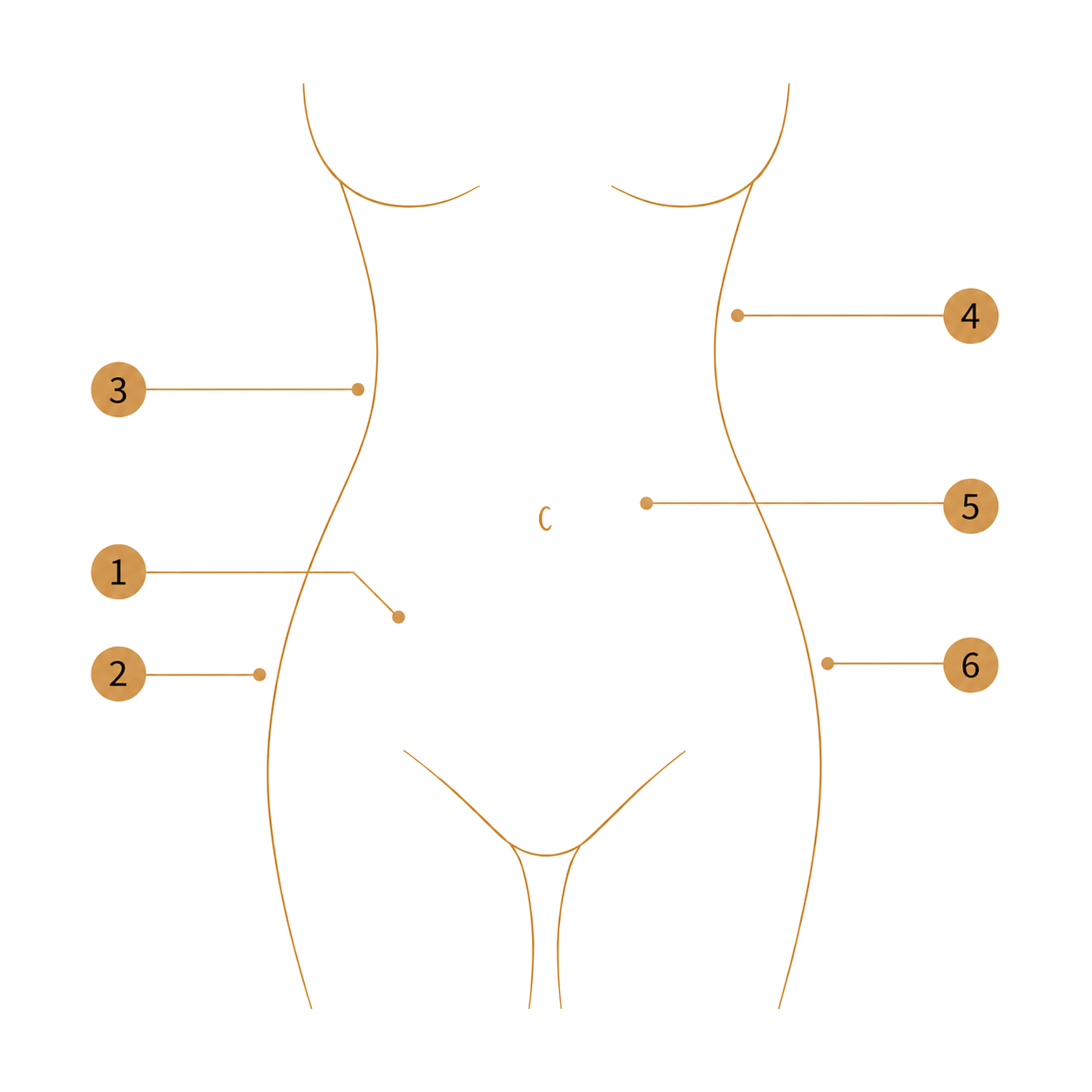
Excess skin
Overhanging or lax skin may be removed.
Abdominal contour
The lower abdomen may be smoothed and reshaped.
Abdominal wall
An existing rectus diastasis may be stabilised when this is needed.
Waist and flanks
The transitions into the waist and flanks may be contoured more harmoniously.
Navel
The navel is integrated naturally into the new contour.
Localised fat deposits
Additional liposuction may refine selected areas.
Which approach may be right for you?
Not every amount of excess skin requires the same operation. The decisive factors are where the tissue has changed and what result you would like.
Mini abdominoplasty
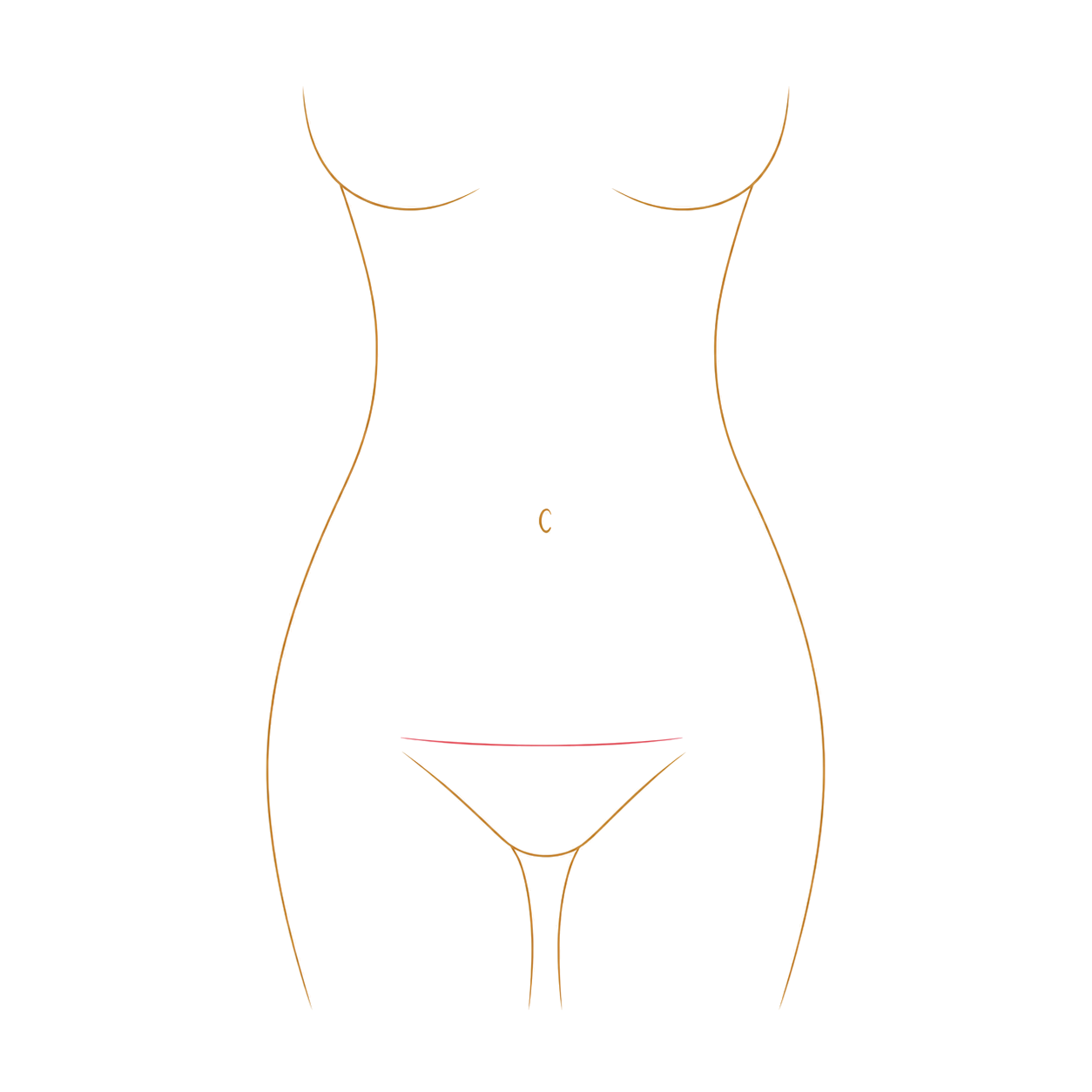
A mini abdominoplasty may be suitable when excess skin is concentrated below the navel.
The navel often does not need to be repositioned. Tightening is limited to the lower abdomen.
Classical abdominoplasty
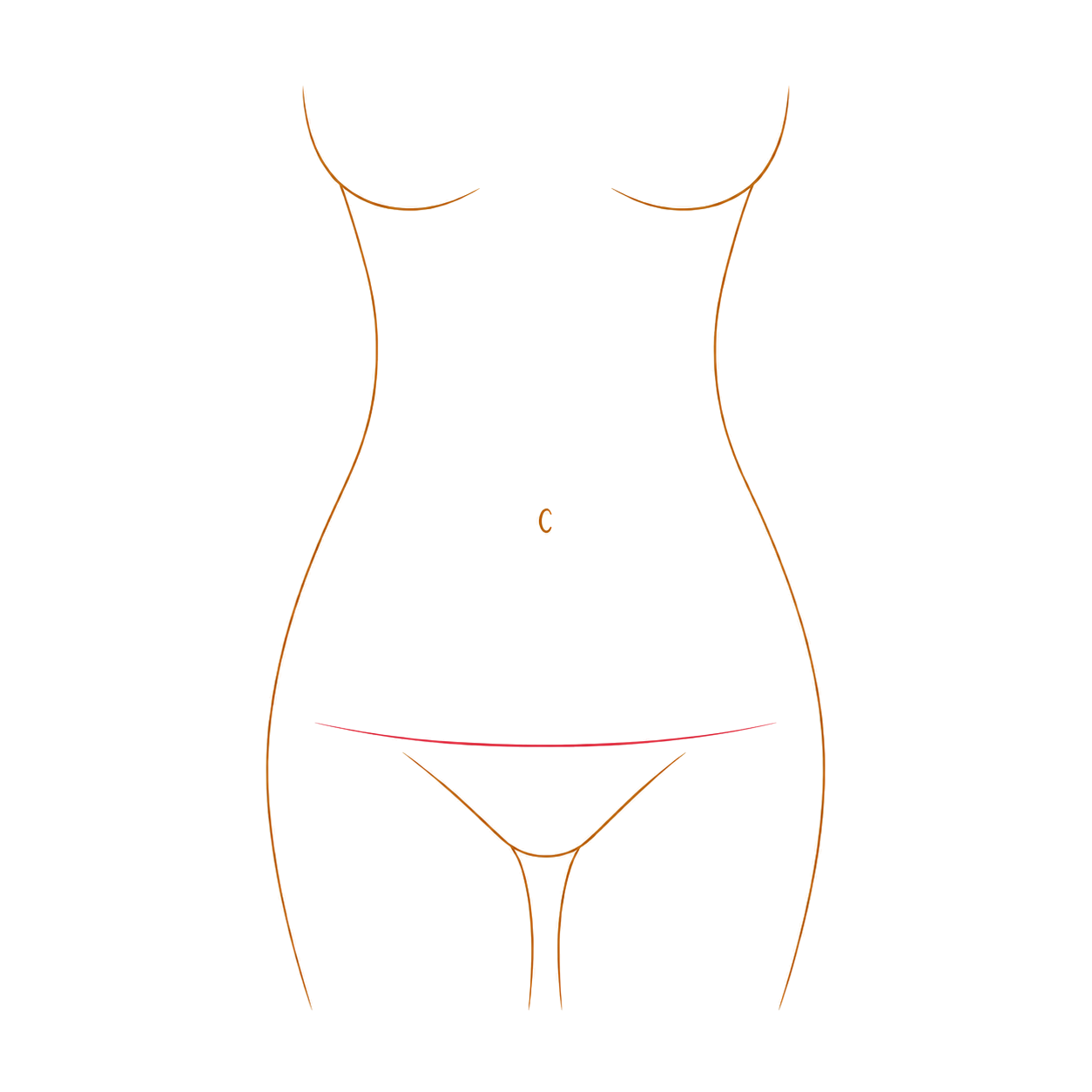
A classical abdominoplasty treats the lower and upper abdomen.
Excess skin is removed, the abdominal contour is reshaped and the navel is integrated naturally into the tightened skin. When needed, the abdominal wall may be stabilised at the same time.
Fleur-de-lis abdominoplasty
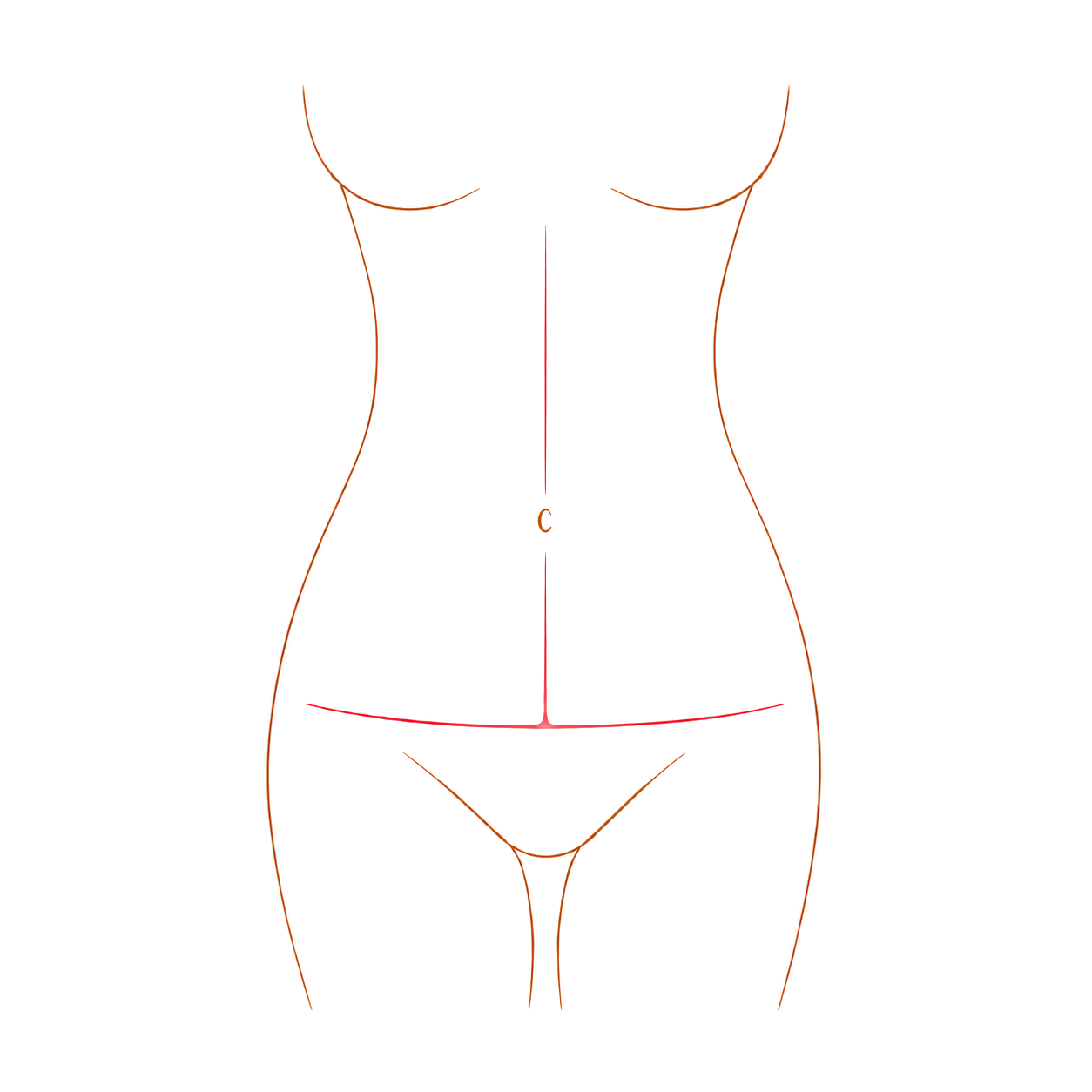
After substantial weight loss, excess skin may extend not only from top to bottom, but also sideways.
An additional vertical tightening may shape the midsection in several directions. In addition to the low horizontal scar, this creates a further scar in the centre of the abdomen.
This technique is also known as a Fleur-de-lis abdominoplasty.
Lower body lift
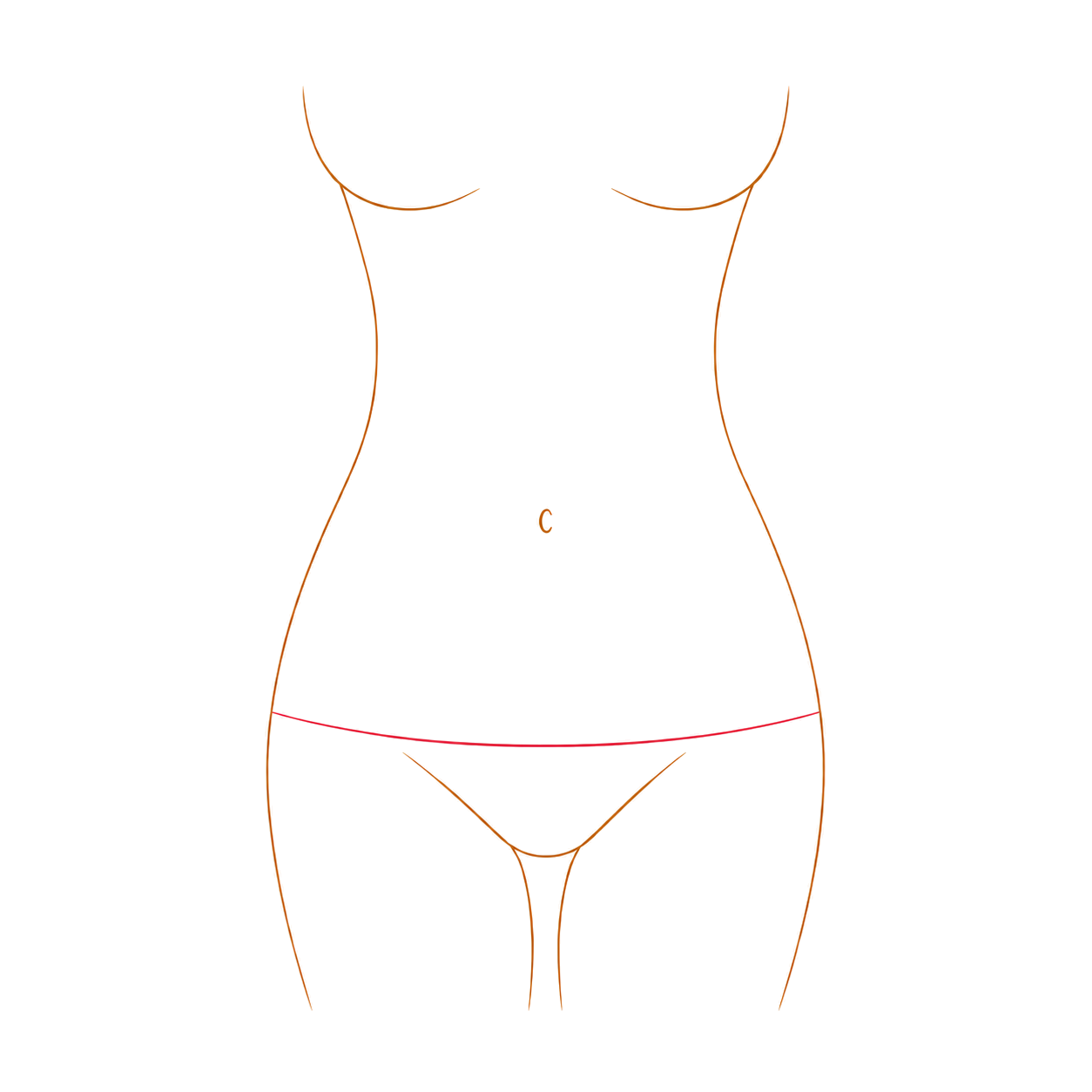
If tissue laxity continues from the abdomen and flanks towards the back or buttocks, a body lift may be the more harmonious solution.
This treats not only the abdomen, but the entire lower body contour.
Expertise centred on you.
Every body tells a different story. Planning therefore begins with a personal conversation about your wishes and a holistic examination of your midsection.
I assess more than the visible excess skin. Skin quality, the abdominal wall, navel, waist, flanks and existing scars all influence which procedure is right for you.
You receive a clear assessment of your options, the result that may be expected and the scar pattern. Together we develop a treatment concept that brings your wishes together with your anatomy and medical circumstances.

Your treatment journey
Personal consultation
We discuss what you would like to change and what matters most to you for the result.
After the examination, you receive a clear, understandable assessment of the possible procedures.
Individual planning
The operation is adapted to your body shape and clinical findings.
This defines which type of tightening is suitable and whether stabilisation of the abdominal wall or additional liposuction may be advisable.
Operation
Abdominoplasty is usually performed under general anaesthesia.
Excess skin is removed and the remaining skin is adapted to the new contour. With the classical technique, the navel is integrated naturally into the tightened abdominal skin.
Clinical care
Franziskus Hospital Linz provides the clinical setting for surgical treatments.
Preparation, surgery and aftercare take place in a professional medical environment and are carefully coordinated.
Personal aftercare
After discharge, I continue to guide you through the healing phase.
During follow-up appointments, we assess wound healing, swelling, scar development and your gradual return to everyday life.
Recovery and returning to everyday life
The first few days
After surgery, a feeling of tightness, swelling and bruising are normal. Many patients initially walk slightly bent forwards to reduce tension on the abdominal wall.
Short, regular walks are still important. Early mobilisation supports the circulation and reduces the risk of thrombosis.
Depending on the extent of surgery, drains may be used temporarily.
The first few weeks
A fitted compression garment stabilises the treated area and supports healing.
Heavy lifting and physically demanding activities should initially be avoided. If you have small children, it is sensible to organise support for everyday life before surgery.
Returning to everyday life and work
When you can return to work depends on your occupation and the extent of surgery.
People with mainly sedentary jobs can often return sooner than those whose work is physically demanding. Clearance depends on your actual healing progress.
Sport and physical strain
Light movement begins early. Intensive sport, heavy lifting and significant strain on the abdominal muscles are initially avoided.
A gradual return to training is often possible after about six to eight weeks. After stabilisation of the abdominal wall, a longer period of protection may be required.
Development of the result
The new contour is visible early. The final result, however, develops over several months.
Swelling gradually decreases, the tissue becomes softer and the scars continue to mature.
Where will the scars be?
With a classical abdominoplasty, the scar runs low above the pubic area and usually sits beneath underwear or swimwear.
How far it extends towards the sides depends on how much excess skin needs to be removed. A fine scar also forms around the navel.
With a Fleur-de-lis abdominoplasty, an additional vertical scar is created in the centre of the abdomen. This technique may be suitable when pronounced excess skin needs to be corrected in several directions.
The exact scar pattern is planned individually before surgery and explained clearly during consultation.
Scars are usually red and somewhat firmer at first. Over the following months, they generally become paler and softer, but they remain permanently visible.
Rectus diastasis and the abdominal wall
After pregnancy, the distance between the straight abdominal muscles may increase. This is known as rectus diastasis and may make the middle of the abdomen appear protruding despite a slim build or targeted training.
If a relevant rectus diastasis is present, the connective-tissue abdominal wall may be stabilised during surgery.
Whether this is necessary and suitable for you is assessed during the examination. Abdominoplasty does not automatically include abdominal-wall repair.
Abdominoplasty and liposuction
Liposuction and abdominoplasty treat different changes.
Liposuction reduces localised fat deposits. It cannot remove excess or severely lax skin.
During abdominoplasty, additional liposuction may be useful to shape the transitions at the abdomen, waist or flanks more harmoniously.
Whether a combination is advisable depends on skin quality, fat distribution and the planned extent of surgery.
Carefully planned. Personally supported.
Abdominoplasty is a major surgical procedure. Careful preparation, suitable choice of technique and structured aftercare are therefore particularly important.
Before surgery, your general health, previous operations, existing scars, medication, weight history and possible thrombosis risks are considered, among other factors.
Nicotine use can significantly impair blood supply and wound healing. Consistent abstinence before and after surgery is therefore an important requirement.
Possible risks include bleeding after surgery, wound-healing problems, seromas, infections, changes in skin sensation, conspicuous scars, asymmetries, thrombosis and pulmonary embolism.
During the personal consent discussion, these risks are explained in relation to your individual situation.
Costs
The cost of abdominoplasty depends on the selected surgical procedure, possible stabilisation of the abdominal wall, additional treatments, anaesthesia and inpatient stay.
After your personal examination, you receive a transparent, individual cost estimate.
When treatment is predominantly aesthetic, abdominoplasty is self-funded.
Frequently asked questions
Is abdominoplasty a method for losing weight?
No. Abdominoplasty removes excess skin and improves body contour. The best conditions are present when body weight is largely stable.
What is the difference between liposuction and abdominoplasty?
Liposuction reduces localised fat deposits. Larger amounts of excess skin cannot be removed in this way.
If the starting point is suitable, both procedures may be combined.
Can rectus diastasis be treated at the same time?
Yes. If there is relevant separation of the straight abdominal muscles, the connective-tissue abdominal wall may be stabilised during the operation.
Is the navel repositioned?
The navel remains connected to the abdominal wall. The abdominal skin is moved downwards and the navel is then integrated naturally into the tightened skin through a new opening.
Will stretch marks disappear?
Stretch marks only disappear if they are located on the part of the skin that is removed.
Marks on the remaining skin remain, although their position may change as a result of tightening.
When can I work again?
This depends on your occupation and the extent of surgery. You should plan several weeks away from work for recovery.
When can I lift my child again?
Lifting small children places considerable strain on the abdominal wall and should be avoided during the early healing phase.
Support in everyday life should therefore ideally be organised before surgery.
Will I need to wear a compression garment after surgery?
Usually, yes. The compression garment is usually worn for several weeks. The exact duration depends on the extent of surgery and the course of healing.
Is a later pregnancy possible?
Pregnancy is generally possible after abdominoplasty. It may, however, change the result through renewed stretching of the skin and abdominal wall.
If you have a specific wish for further children, it is usually sensible to have surgery only after family planning is complete.
How long does the result last?
With stable weight, the result may be long lasting. Weight fluctuations, pregnancies and natural ageing processes may change the contour again later.